Planning a Europe trip? Here’s exactly how to apply for a Schengen visa from Nigeria — documents, fees, appointment tips, and the mistakes that get people rejected.
How to Apply for a Schengen Visa
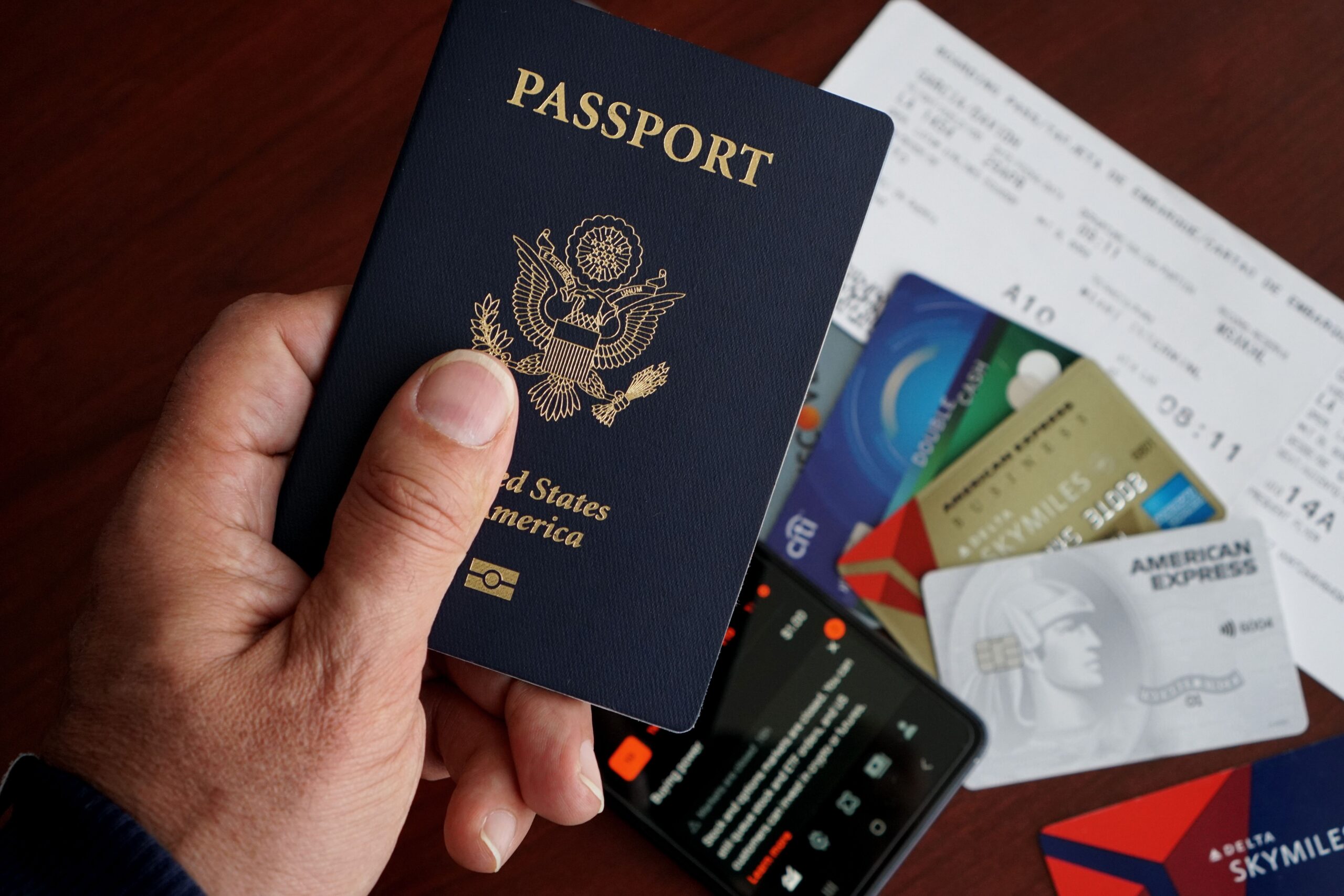
If you’ve been putting off your Europe trip because of Schengen visa horror stories, I understand the hesitation. I’ve had clients tell me stories of waiting months for a VFS appointment, spending money on flight bookings that expired before their interview date, and getting rejected with a vague letter that doesn’t fully explain why. It’s frustrating, and honestly, some of that frustration is valid, this is one of the more demanding visa processes Nigerians deal with.
But here’s what I’ve learned after helping people through this process repeatedly: most rejections aren’t random. They follow patterns. And once you understand those patterns, along with the actual step-by-step process, applying becomes far less intimidating.
This guide walks you through exactly how to apply for a Schengen visa from Nigeria, which country to apply through, what documents you genuinely need, how much it costs in Naira, and the specific mistakes that get Nigerian applicants rejected more than anyone else.
Table of Contents
What Is a Schengen Visa, Exactly?
The Schengen Area covers 27 European countries that operate under a shared visa policy, meaning one visa, once approved, lets you travel freely across all member countries. This includes popular destinations like France, Germany, Italy, Spain, the Netherlands, and Switzerland.
You don’t apply to “the Schengen Area” directly. Instead, you apply through the embassy or consulate of the specific country you’ll spend the most time in, or your first point of entry if your time is split evenly.
Step 1: Determine Which Embassy to Apply Through
This trips up more people than you’d expect. The rule is:
- If you’re visiting one Schengen country only, apply through that country’s embassy
- If you’re visiting multiple countries, apply through the embassy of the country where you’ll spend the most nights
- If your time is split equally across countries, apply through the country of first entry
For example, if you’re spending 5 nights in France and 2 nights in Belgium, you apply through the French embassy, not Belgium’s, even though Belgium might be your first stop.
Common mistake: Applying through the “easiest” embassy rather than the correct one based on your itinerary. This is flagged during processing and can lead to rejection or redirection, costing you time and money.
Step 2: Gather Your Documents
This is where most applications succeed or fail. Here’s the full list:
Mandatory Documents
- Completed Schengen visa application form — signed and dated
- International passport — valid for at least 3 months beyond your intended departure from the Schengen area, with at least 2 blank pages
- Two recent passport photographs — Schengen-specific specifications (35mm x 45mm, white background)
- Travel insurance — minimum coverage of €30,000, valid across all Schengen countries for your entire trip
- Flight itinerary — a reservation, not necessarily a paid ticket (some embassies now accept confirmed reservations to avoid applicants losing money on rejected applications)
- Proof of accommodation — hotel bookings or an invitation letter if staying with someone
- Bank statement — last 6 months, stamped and signed by your bank
- Employment letter — on company letterhead, stating your role, salary, and approved leave dates
For Business Owners:
- CAC Certificate
- Company bank statement (last 6 months)
- Letter explaining the purpose of travel
For Self-Sponsored Trips:
- Proof of sufficient funds (typically €50-100 per day of stay, depending on the country)
For Sponsored Trips (family/friend inviting you):
- Sponsor’s bank statement
- Sponsor’s letter of invitation
- Proof of relationship (WhatsApp chats or other proof)
Step 3: Book Your Appointment
Most Schengen applications from Nigeria go through VFS Global, which handles visa applications on behalf of most European embassies.
- Visit the VFS Global website for the specific country you’re applying to
- Create an account and select your preferred VFS center — Lagos and Abuja both have centers
- Choose an available appointment slot
Reality check: Appointment slots can be genuinely scarce, especially during peak travel seasons (June-August, December). Some applicants have reported checking daily for weeks before securing a slot. Book as early as possible, ideally 2-3 months before your intended travel date, since Schengen applications can only be submitted a maximum of 6 months in advance and no later than 15 days before travel.
Step 4: Attend Your Appointment
On the day:
- Arrive at least 15 minutes early with all original documents plus photocopies
- Biometric data (fingerprints and photo) will be collected if this is your first Schengen application or your last one was more than 5 years ago
- Pay the visa fee at the center (see cost breakdown below)
- Some VFS centers offer optional premium services (SMS tracking, prime time appointments) for an additional fee
Step 5: Wait for Processing
Standard processing time is 15 calendar days, though this can extend to 30-45 days during busy periods or if additional documentation is requested.
Track your application through the VFS Global tracking portal using your reference number.
Schengen Visa Costs (2026)
| Item | Cost |
|---|---|
| Standard Visa Fee (Adult) | €90 |
| Visa Fee (Children 6-12) | €45 |
| Visa Fee (Children under 6) | Free |
| VFS Service Fee | Approximately €25-30 |
| Travel Insurance | ₦25,000 – ₦60,000 depending on coverage |
| Premium Lounge/Prime Time (optional) | Additional €15-50 |
At current parallel market rates, the standard adult visa fee alone (€90) translates to roughly ₦150,000-₦165,000, before adding VFS service charges, insurance, and other costs. Budget realistically for ₦250,000-₦350,000 total for the application process alone, excluding flights and accommodation.
The Nigerian Factor: What Standard Guides Won’t Tell You
Your Bank Statement Tells a Story, Make Sure It’s the Right One
This is the single biggest reason Nigerian Schengen applications get rejected. Visa officers look for consistent financial activity, not a lump sum that appeared suddenly. If your statement shows ₦2 million appearing three weeks before your application with no prior pattern, this raises red flags rather than reassurance. Build a genuine financial history over months, not days, before applying.
The “Ties to Home Country” Question
Schengen visa officers are specifically evaluating whether you intend to return to Nigeria. Strong documentation includes:
- Property ownership documents
- Steady employment with an approved leave letter
- Family ties (spouse, children remaining in Nigeria)
- Business ownership with CAC registration
Weak applications often come from young, single, unemployed applicants with no clear ties, not because of unfair bias, but because the documentation genuinely doesn’t demonstrate a strong pull back home. If this describes your situation, lean harder into whatever ties you do have, and be honest and clear about your travel purpose.
VFS Appointment Scarcity Has Created a Scam Market
Because appointment slots are genuinely hard to get, especially in Lagos and Abuja during peak season, a market has emerged of people claiming to “secure guaranteed appointments” for a fee. Some of these are legitimate agents who monitor the system closely; many are scammers taking advantage of desperate applicants. Never pay anyone outside the official VFS platform for an appointment slot, verify any agent’s credentials first.
PTA and Card Limits for Europe Specifically
Your $4,000 Personal Travel Allowance (PTA) often isn’t sufficient for a full Schengen trip, especially given the €50-100/day proof-of-funds requirement some countries enforce. Most travelers combine PTA cash withdrawal with a dollar-denominated card for the bulk of their spending. Confirm your international transaction limit with your bank well before applying, since some embassies now also review your card’s spending capacity as part of proof of funds.
Airport and Travel Realities
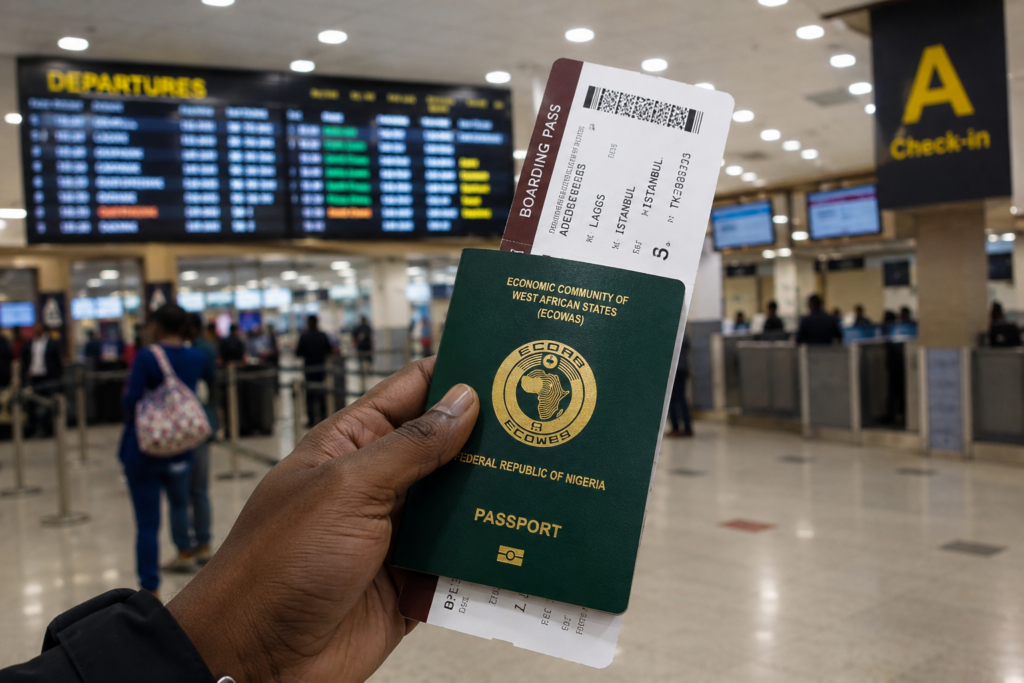
Direct flights from Lagos (Murtala Muhammed International Airport) to major Schengen hubs like Amsterdam, Paris, and Frankfurt are available through KLM, Air France, and Lufthansa. From Abuja (Nnamdi Azikiwe International Airport), you’ll likely connect through Lagos or another hub, so factor in additional layover time and potential visa implications if your layover falls in a non-Schengen country.
Rejection Doesn’t Mean the End
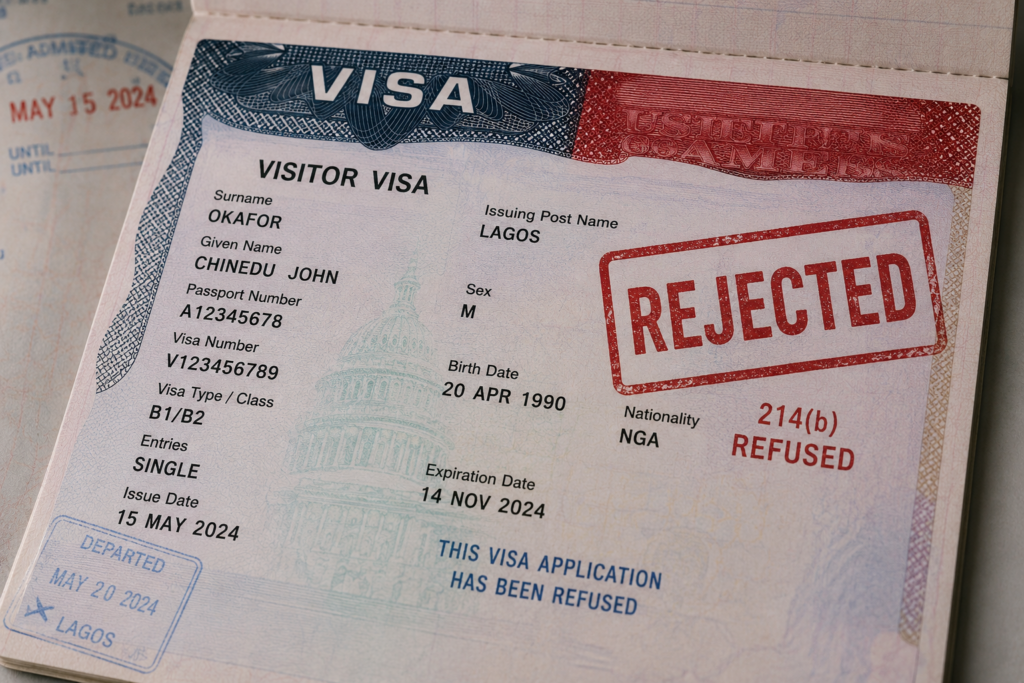
If your application is rejected, you’ll receive a letter citing the reason under EU regulation. Common reasons include insufficient proof of funds, unclear travel purpose, or insufficient ties to Nigeria. You can reapply, addressing the specific issue flagged, but avoid reapplying immediately without fixing the underlying problem, as repeated similar rejections can hurt future applications.
Common Reasons Nigerian Schengen Applications Get Rejected
- Insufficient or inconsistent bank statement activity
- Unclear or unconvincing travel purpose
- Weak proof of ties to Nigeria (employment, family, property)
- Invalid or insufficient travel insurance coverage
- Flight/hotel bookings that don’t match the stated itinerary
- Incomplete or incorrectly filled application form
- Photos that don’t meet Schengen specifications
Conclusion
The Schengen visa process is genuinely one of the more demanding ones Nigerians face, but it’s not designed to be impossible — it’s designed to be thorough. The applicants who succeed are the ones who take documentation seriously, apply through the correct embassy, and build their financial and travel story honestly rather than trying to shortcut the process.
Give yourself enough time, get your paperwork in order early, and don’t let the horror stories you’ve heard scare you out of applying altogether — most rejections trace back to fixable gaps, not unfair targeting.
Have questions about your specific situation, maybe your bank statement, your itinerary, or which embassy to apply through? CONTACT US Today and let’s go through it together.
And if you know someone stressing over their own Schengen application right now, share this with them. It might save them a rejection letter.
Safe travels.