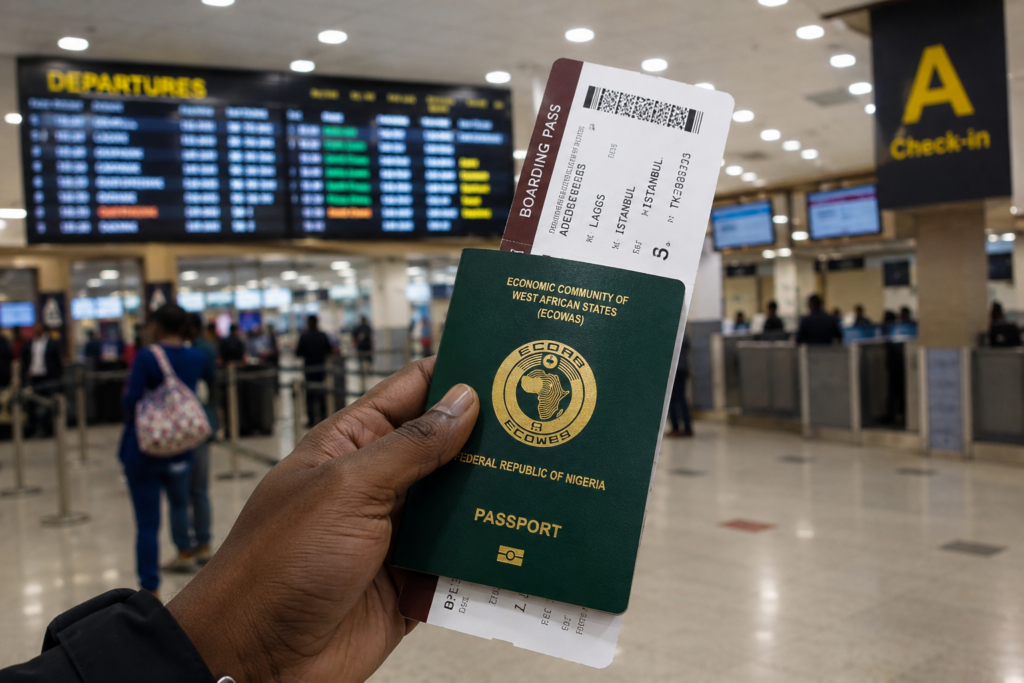
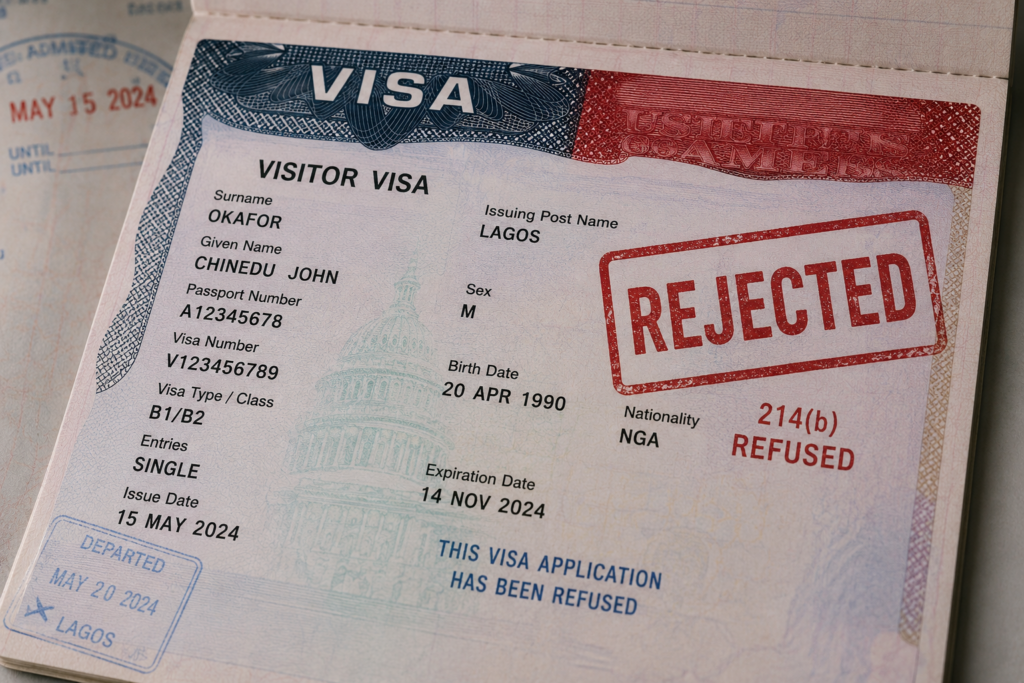
Understand the real reasons behind visa rejection for Nigerian applicants, financial documents, ties to home, and the specific mistakes that get applications refused.
Common Visa Rejection Reasons: Why Nigerians Get Refused & How to Fix It

A businessman sat across from us holding a refusal letter for a UK visa he’d applied for to attend his own company’s trade conference. He’d built his business from nothing, employed twelve people, and paid his taxes consistently for years. On paper, he looked like exactly the kind of traveler any country would welcome. Yet there it was — refused, with a vague line about “insufficient evidence of intention to return.”
He kept asking us the same question: “What did I do wrong?” And that’s really the heart of this whole conversation. Most Nigerians who face visa rejection walk away confused, sometimes ashamed, often assuming something is fundamentally wrong with them or their finances. In reality, rejection almost always follows identifiable, correctable patterns. Once you understand what visa officers are actually looking for, you stop guessing and start building applications that hold up.
This guide breaks down exactly why visa rejections happen, the patterns specific to Nigerian applicants, and what to do if you’ve already received that unwelcome letter.
How Visa Officers Actually Think
Table of Contents
Every visa decision, regardless of the country, comes down to one core question: will this person return home after their visit?
This single question shapes almost everything else. A visa officer reviewing your application isn’t judging your worth as a person or your right to travel, they’re assessing risk, based on patterns they’ve seen thousands of times before. Your job, whether you realize it or not, is to answer that core question as clearly and convincingly as possible through your documents.
Understanding this reframes the entire process. It’s not about being wealthy enough or important enough. It’s about presenting a consistent, believable story that shows genuine ties, genuine purpose, and genuine intention to return.
The Most Common Visa Rejection Reasons
1. Insufficient or Inconsistent Financial Proof
This is, without question, the leading cause of visa rejection for Nigerian applicants. It’s rarely about not having enough money, it’s about how that money appears on paper.
A bank statement showing a sudden deposit of ₦2 million two weeks before an application, sitting in an account that normally holds a fraction of that amount, is an immediate red flag to a trained visa officer. It doesn’t say “financially capable.” It says “borrowed money to look eligible.”
The fix: Build your financial documentation months in advance, not days. Show consistent income, regular transactions, and a balance that reflects your actual, ongoing financial life.
2. Weak or Unclear Ties to Home Country
Visa officers want to see clear reasons you’ll return to Nigeria, employment, business ownership, family responsibilities, property, or ongoing commitments. An application that doesn’t establish this convincingly raises concern, regardless of how much money is in your account.
The fix: Include an employment letter that specifies your role, salary, and approved leave dates, or business documentation showing active, ongoing operations, not just registration.
3. Incomplete or Inconsistent Documentation
Small inconsistencies — a name spelled differently across documents, dates that don’t align between your itinerary and your bank statement, an employment letter that doesn’t match your stated salary elsewhere, create doubt even when each individual document seems fine on its own.
The fix: Review every document together before submission, checking that names, dates, and figures align perfectly across your entire application.
4. Vague or Unconvincing Travel Itinerary
“I want to visit for tourism” without further detail reads as weak. Visa officers see thousands of these vague statements and they don’t inspire confidence in your genuine purpose.
The fix: Provide a specific day-by-day itinerary, including planned activities, accommodation details, and a realistic scope that matches your visa duration request.
5. Previous Visa Refusals Not Disclosed or Explained
Most visa applications ask directly about previous refusals from any country. Omitting this, even unintentionally, is treated as a serious credibility issue if discovered, and it often is discovered, since many countries share visa history data.
The fix: Always disclose previous refusals honestly, and where possible, include a brief, honest explanation of what changed since that refusal.
6. Sponsor Documentation Issues
For sponsored trips, weak or incomplete sponsor documentation is a common and often overlooked cause of rejection. If your sponsor’s proof of status, financial capacity, or relationship to you isn’t clearly established, the entire application weakens.
The fix: Ensure your sponsor provides clear proof of their legal status, sufficient financial documentation, and, where relevant, evidence of your relationship (marriage certificate, birth certificate, or similar).
7. Photo and Passport Technical Errors
This sounds minor, but it happens more often than you’d expect, photos that don’t meet specific size or background requirements, passports with insufficient blank pages, or passports close to their expiry threshold.
The fix: Double-check the specific photo and passport requirements for your destination country before submission; these vary slightly between countries.
Rejection Reason vs. How to Fix It
| Rejection Reason | Why It Happens | How to Fix It |
|---|---|---|
| Sudden bank deposits | Looks like borrowed funds for the application | Build financial history months in advance |
| Weak home ties | No clear reason to return demonstrated | Include employment/business documentation |
| Inconsistent documents | Names, dates, or figures don’t align | Cross-check every document before submission |
| Vague itinerary | Doesn’t demonstrate genuine travel purpose | Provide detailed day-by-day plans |
| Undisclosed refusals | Treated as a credibility/honesty issue | Always disclose and briefly explain |
| Weak sponsor documents | Sponsor’s status or relationship unclear | Provide complete sponsor proof and relationship evidence |
| Photo/passport errors | Doesn’t meet technical specifications | Verify requirements before submission |
What to Do If You’ve Already Been Rejected
Read Your Refusal Letter Carefully
Most refusal letters state a specific reason, even if it’s brief. This is your starting point, address that exact issue, not just general improvements.
Don’t Reapply Immediately With the Same Documents
Resubmitting an identical or barely-changed application almost always results in the same outcome. Visa officers can see your application history, and unchanged resubmissions signal that you haven’t addressed the core concern.
Give It Time to Rebuild, If Needed
If your rejection was financial, allow a few months to build a stronger, more consistent bank statement history before reapplying, rather than rushing back in with a superficial fix.
Know When to Seek Professional Guidance
If you’ve been rejected more than once, or if your situation involves complexities like business sponsorship, prior immigration issues, or unclear documentation, it’s worth having someone experienced review your application before you submit again.
The Nigerian Factor: What Makes Our Rejections Different
1. Extra Scrutiny on Nigerian Financial Documents
This is an uncomfortable truth, but an honest one: Nigerian applicants often face closer scrutiny of bank statements than applicants from some other countries, largely due to the broader regional history of visa fraud. This isn’t a personal judgment, it’s a systemic pattern. The practical response is making your documentation as clean, consistent, and well-established as possible, well before you apply.
2. PTA vs. Proof-of-Funds Confusion
Many Nigerian applicants confuse their Personal Travel Allowance (PTA), up to $4,000 from your bank at the official CBN rate — with the proof-of-funds requirement for the visa itself. These are separate. Your PTA covers your cash needs abroad; your bank statement needs to independently demonstrate sustained financial capability.
3. Fake “Guaranteed Visa” Agents Exploiting Rejection Fear
The fear of rejection has created a thriving market for scammers online, particularly on Instagram and WhatsApp, promising “guaranteed approval” for a fee. No legitimate agent or agency can guarantee a visa outcome for any country, that decision rests solely with the consulate or embassy in question. If someone promises certainty, that’s your signal to walk away.
4. Common Documentation Gaps Specific to Nigerian Applicants
We consistently see gaps around CAC documentation for business owners (registered but not actively demonstrating operations), sponsor letters lacking sufficient detail, and employment letters that don’t align with stated salary figures elsewhere in the application. These are fixable with careful preparation, but they require attention most generic checklists don’t flag.
5. Embassy and VAC Logistics from Lagos vs. Abuja
Most visa application centers for major destinations (UK, Schengen countries, Canada) operate through VFS Global in both Lagos and Abuja, but appointment availability can differ significantly between the two, with Lagos often having more frequent slots given higher application volume. If you’re in Abuja and appointments are limited, some applicants choose to travel to Lagos for an earlier slot, factor this into your planning timeline.
Quick Reference: Where These Reasons Show Up Most
| Rejection Reason | Most Common Destinations | Fix |
|---|---|---|
| Sudden bank deposits | UK, Schengen, Canada | Build 6-month financial history |
| Weak home ties | UK, Schengen, USA | Strengthen employment/business documentation |
| Vague itinerary | Schengen, Canada | Provide detailed day-by-day plans |
| Undisclosed refusals | All Western countries | Always disclose honestly |
| Sponsor document issues | UK, Canada (family visits) | Complete sponsor documentation package |
Conclusion
That businessman with the UK refusal letter didn’t need a bigger bank balance or a more impressive job title. He needed his existing, genuinely solid financial life presented in a way that told a consistent, believable story, which is exactly what we helped him rebuild before his successful reapplication three months later.
Visa rejection isn’t a verdict on who you are. It’s almost always a fixable documentation problem, once you know exactly what to look for and correct.
If you’ve been rejected and want a second pair of eyes on what went wrong, or you’re preparing an application for the first time and want it reviewed before submission, CONTACT US Today it’s far easier to get it right the first time than to explain a refusal after the fact.
And if someone you know is anxious about an upcoming visa application, share this with them. Understanding the “why” behind rejections takes away a lot of unnecessary fear.
Safe travels.